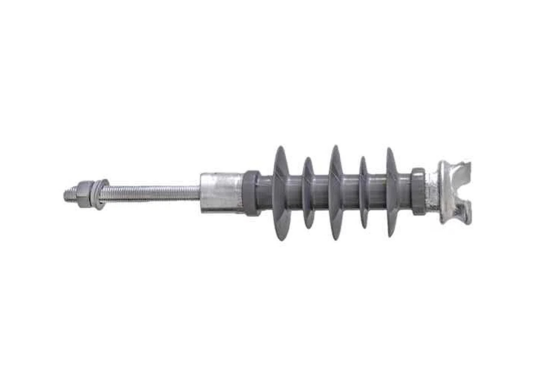
As global electricity demands rise, Ultra-High Voltage (UHV) AC and DC systems are increasingly deployed to transmit power over vast distances. In these high-voltage environments, substation busbars and equipment require robust insulation capable of handling severe mechanical loads and harsh weather. Upgrading traditional porcelain components with advanced composite post insulator technology is a key strategy for grid operators seeking to optimize UHV substation safety and longevity.
Addressing Mechanical and Pollution Challenges with Composite Post Insulator Technology
In UHV converter stations and substations, post insulators serve as vital external-insulation supports for equipment like busbars, reactors, disconnectors, and filter systems. Traditional ceramic options are heavy, fragile, and susceptible to pollution flashovers. An advanced composite insulator addresses these structural vulnerabilities through high-performance material engineering:
Exceptional Mechanical Strength-to-Weight Ratio: The core of a premium post insulator consists of a high-strength epoxy fiberglass rod (FRP). This core achieves a tensile strength exceeding 600 MPa—comparable to high-quality carbon steel but at only 1/7 to 1/10 of the weight of ceramic alternatives. This dramatic weight reduction cuts structural material requirements and enhances seismic resistance.
Superior Pollution Flashover Resistance: The high-quality silicone rubber housing exhibits strong hydrophobic (water-repellent) properties, causing moisture to form isolated droplets instead of a continuous conductive film. This prevents leakage currents and yields a pollution flashover voltage more than twice that of porcelain.
Optimized Electrical Stress Management: To prevent localized end-discharge, specialized end-fittings utilize a spherical convex design rather than right-angle edges. This configuration minimizes electrical stress concentration, safeguarding the inner sheath from premature degradation.
Conclusion
Integrating advanced post insulators is essential for securing the long-term reliability of modern UHV substations. By reducing structural weight, enhancing resistance to environmental contamination, and offering an operational service life exceeding 30 years, these components significantly lower lifecycle maintenance overhead. Through decades of manufacturing and testing expertise, SH POWER delivers a comprehensive portfolio of utility-grade composite insulator solutions designed to meet the rigorous physical and electrical demands of global power transmission grids.