Digital dentistry is changing how dental professionals plan aesthetic treatments and communicate with patients. Teeth simulation software has become an important tool for visualizing possible treatment outcomes, especially in orthodontics, cosmetic dentistry, and smile design. However, choosing the right supplier requires more than comparing software features. Dental clinics and laboratories need to consider technology compatibility, data accuracy, workflow integration, and long-term support. A reliable supplier with advanced solutions can help professionals create predictable and efficient digital treatment experiences.
Why Choosing the Right Teeth Simulation Software Supplier Matters?
A teeth simulation software supplier provides more than a digital visualization tool. The right partner should offer technology that fits into the entire dental workflow, from patient data collection to treatment communication.
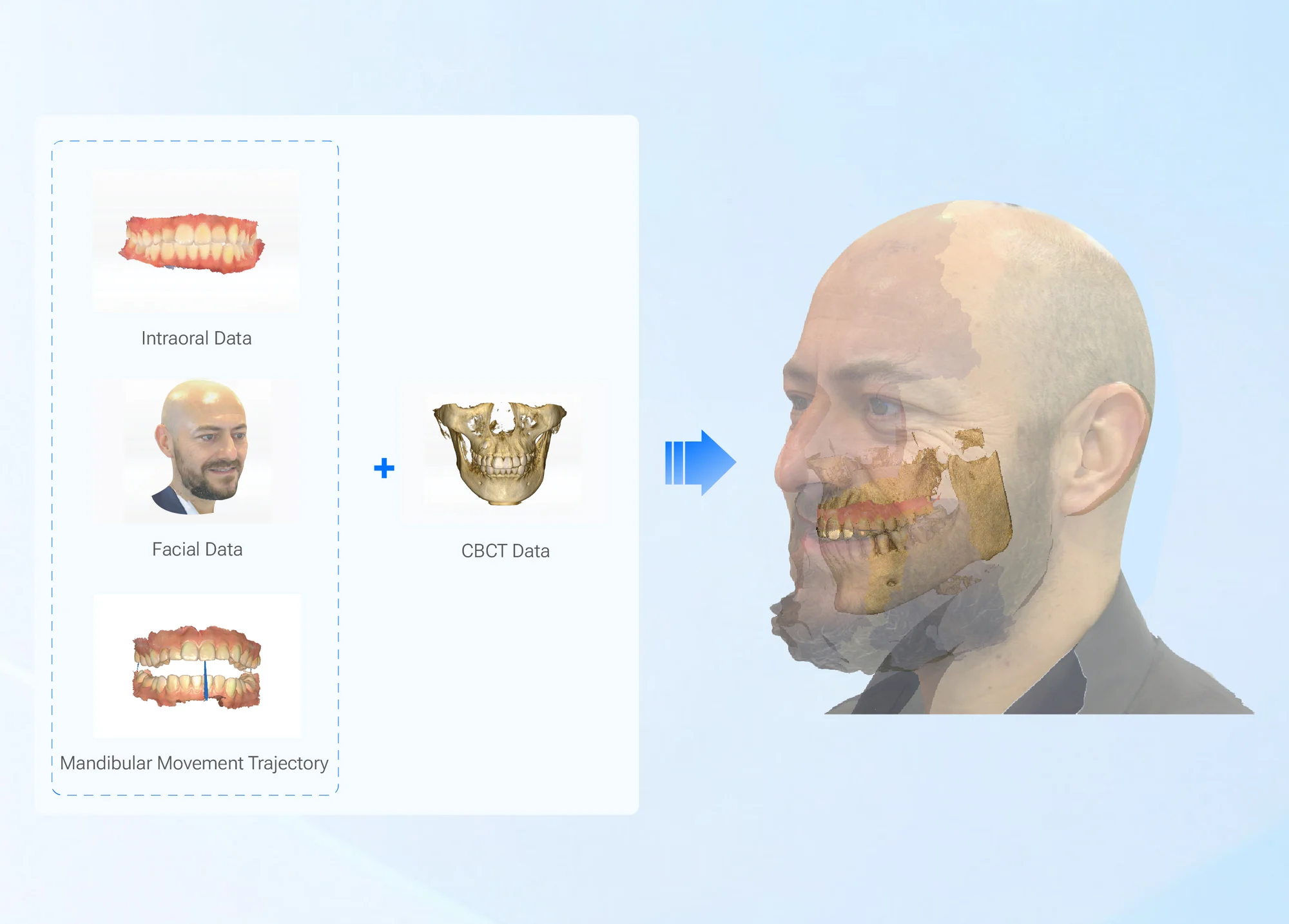
Modern dental professionals often need software that can work with different digital records, including:
- Intraoral scan data.
- Facial scanning information.
- Digital treatment designs.
- Dental CAD/CAM workflows.
A supplier with strong technical capabilities can help clinics build a complete digital process instead of using disconnected tools. This improves efficiency and allows dentists to provide clearer explanations during patient consultations.
When selecting a supplier, professionals should evaluate whether the solution can support current needs while also adapting to future developments in digital dentistry.
Key Factors to Consider When Selecting a Teeth Simulation Software Supplier
Choosing a suitable supplier requires careful evaluation of several important factors. A high-quality software solution should combine accuracy, usability, compatibility, and professional support.
The quality of simulation results depends heavily on the accuracy of the data collected. A supplier should provide software that works effectively with advanced scanning technologies.
A 3D face scanner is especially important for creating realistic facial simulations because it captures three-dimensional facial structures instead of relying only on two-dimensional photographs.
By integrating facial data with dental information, professionals can evaluate how proposed changes may influence overall appearance. This is particularly valuable for aesthetic dentistry, orthodontics, and smile design.
When choosing a supplier, dental professionals should check whether the software supports common digital file formats and can integrate with existing scanning equipment.
How a 3D Face Scanner Improves Digital Smile Simulation?
A 3D face scanner plays a significant role in creating more comprehensive treatment simulations. Traditional dental models focus mainly on teeth, but facial scanning provides additional information about the relationship between teeth, lips, and facial features.
A complete facial dataset can help clinicians analyze:
- Smile proportions.
- Facial symmetry.
- Lip movement during smiling.
- The interaction between teeth and facial appearance.
This information allows dental professionals to create treatment plans that consider both functional and aesthetic goals. For suppliers offering digital smile solutions, supporting facial scanning technology has become an important factor in meeting the needs of modern dental practices.
Evaluating Straight Teeth Simulator Features and Performance
A straight teeth simulator is designed to help patients and dental professionals visualize potential improvements in tooth alignment. However, not all simulation tools provide the same level of realism or clinical value.
When evaluating a straight teeth simulator, professionals should consider:
- Visualization quality: The software should create realistic previews based on accurate patient data.
- User experience: Dentists should be able to operate the system efficiently during consultations.
- Treatment flexibility: The software should support different dental cases, including orthodontic and cosmetic applications.
- Communication value: The simulation should help patients understand treatment possibilities.
A good simulation system should support professional decision-making rather than simply create attractive images.
SHINING 3D Dental MetiSmile Provides Advanced Facial Simulation Support
SHINING 3D Dental develops digital dentistry solutions designed to support clinics and laboratories through connected digital workflows. Its MetiSmile facial scanning solution combines facial data capture and smile simulation technology to help dental professionals improve aesthetic treatment planning.
MetiSmile uses a high-precision 3D face scanner to capture detailed facial information and create digital facial models. By combining facial data with dental scan information, clinicians can analyze smile aesthetics and communicate potential treatment outcomes more effectively.
According to the product specifications, MetiSmile includes a 1.3-megapixel data acquisition camera and a 5.0-megapixel HD texture camera. The system provides full facial scanning accuracy of 50μm and supports PLY, OBJ, and STL output formats, allowing integration with digital dental workflows and compatible software platforms.
These features allow dental professionals to create more complete virtual patient models and improve communication during smile design and orthodontic consultations.
Software Integration and Workflow Compatibility
A reliable teeth simulation software supplier should provide solutions that work smoothly with existing dental technologies. Digital dentistry often involves multiple systems, including scanners, CAD software, treatment planning platforms, and manufacturing equipment.
Poor compatibility can create unnecessary workflow interruptions. Therefore, professionals should evaluate whether the software supports:
- Common digital file formats.
- Integration with intraoral scanners.
- Connection with dental design software.
- Easy data transfer between clinical and laboratory environments.
A well-integrated system reduces manual data conversion and helps dental teams save time during treatment planning.
Importance of Supplier Support and Future Development
Technology investment is a long-term decision. Dental professionals should consider the supplier’s ability to provide technical support, software updates, and continuous innovation.
A reliable supplier should offer:
- Training resources for dental teams.
- Technical assistance after installation.
- Regular software improvements.
- Solutions that follow industry development trends.
As digital dentistry continues to evolve, suppliers that focus on innovation can help clinics maintain competitive advantages.
Balancing Technology and Clinical Needs
The best teeth simulation software is not necessarily the one with the most features. Instead, it should match the actual requirements of the dental practice.
Before selecting a supplier, clinics should consider:
- The types of treatments they provide.
- Their existing digital equipment.
- The experience level of their team.
- The expectations of their patients.
For orthodontic and aesthetic dentistry, technologies such as a 3D face scanner and a straight teeth simulator can improve consultation quality and help patients better understand possible treatment directions.
Conclusion
Choosing a teeth simulation software supplier requires careful consideration of technology, accuracy, compatibility, and support. Dental professionals should look for solutions that provide realistic visualization, integrate with digital workflows, and improve communication between clinicians and patients.
With advanced solutions such as SHINING 3D DENTAL‘s MetiSmile, dental teams can use facial scanning and simulation technologies to create more personalized digital treatment experiences. By selecting the right supplier, clinics can enhance their digital capabilities and provide more efficient, patient-centered dental care.
