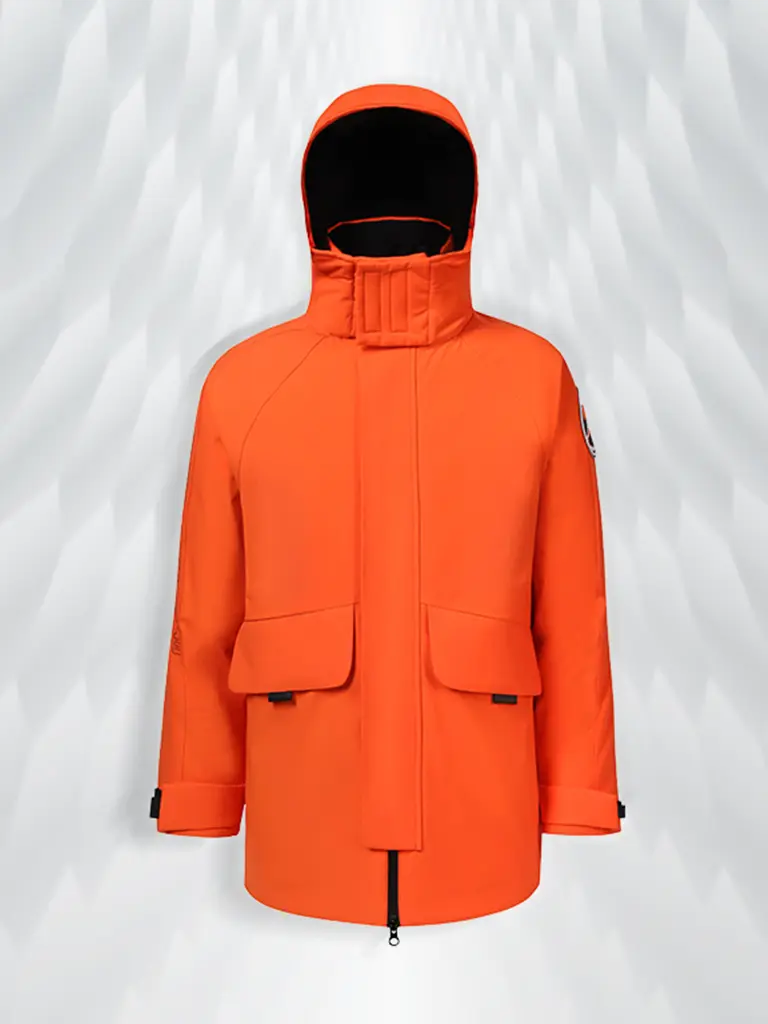
Firefighting places unusual demands on protective clothing. During an emergency response, garments must help shield the wearer from intense heat, flame exposure, hot surfaces, and other workplace hazards, yet firefighters also need enough freedom to climb ladders, crawl through confined spaces, handle equipment, and assist people.
The performance of firefighter protective clothing material is not defined by heat resistance alone; fabric construction, garment layering, fit, and movement all influence how effectively the clothing supports demanding tasks. Y-Warm operates in the thermal insulation materials field, where the relationship between heat management and wearable comfort is an important consideration for functional apparel.
Understanding the Layers of Firefighter Protective Clothing
Firefighter clothing is generally designed as a multilayer system, with each component serving a different protective function. The outer shell provides resistance to flame, heat, abrasion, and environmental exposure. Beneath it, moisture barriers help limit the penetration of water and certain contaminants, while thermal liners reduce heat transfer toward the wearer.
These layers must work together rather than being evaluated independently. A highly heat-resistant outer fabric cannot compensate for a poorly designed thermal liner, and a moisture barrier that restricts vapor movement may contribute to heat stress during strenuous activity. The overall garment system determines how heat and moisture interact around the body.
Material selection also depends on the type of firefighting operation. Structural firefighting, wildland response, and technical rescue involve different exposure conditions and movement requirements. Clothing intended for one environment may not provide suitable protection in another, making hazard assessment an essential starting point for garment development.
Balancing Thermal Protection With Physical Mobility
Protective layers can add thickness, weight, and stiffness, all of which influence movement. Restricted shoulder rotation may make overhead tasks difficult, while excessive resistance around the knees and elbows can interfere with crawling, climbing, or kneeling. These limitations matter because firefighters often need to change posture quickly while carrying breathing equipment and other tools.
Garment pattern design can reduce some of these restrictions. Articulated sleeves, shaped knee sections, gussets, and strategically positioned seams allow clothing to follow natural body movement more closely. The placement of closures and reinforcement panels also matters: poorly positioned details may create pressure points when a firefighter bends, reaches, or crouches.
Material flexibility should not come at the expense of protective performance. Fabric assemblies need to retain their intended structure under repeated bending, compression, and abrasion. A practical assessment of firefighter protective clothing material should include both protective testing and movement trials, since a fabric’s performance in a flat laboratory sample may not fully represent its behavior in an assembled garment.
Managing Heat Stress and Thermal Comfort During Operations
Protective clothing limits heat exchange with the surrounding environment, but the wearer also produces substantial metabolic heat during strenuous work. Climbing stairs, carrying hoses, and moving equipment increase body temperature and perspiration. If heat and moisture cannot dissipate sufficiently, the risk of heat strain may rise even when the garment is performing its protective function.
Moisture management is therefore an important part of garment engineering. Sweat can accumulate between layers, making the clothing feel damp and adding to discomfort. The ability of a fabric assembly to transmit water vapor depends on the properties of the outer shell, moisture barrier, thermal liner, and their interfaces. Ventilation features may help in suitable designs, although openings must not compromise the garment’s required protection.
The phrase thermal comfort inc is relevant to the wider discussion of comfort in protective apparel, but comfort should not be treated as a substitute for safety performance. A garment that feels less restrictive still needs to meet the applicable requirements for its intended use. Evaluation should consider heat exposure, moisture transport, garment weight, fit, and the physical demands of the task together.
Material Evaluation and Practical Garment Development
Testing should reflect the hazards and service conditions associated with the garment. Flame resistance, heat transfer, thermal shrinkage, seam strength, abrasion resistance, and dimensional stability are among the properties that may require assessment under relevant standards. The specific test requirements depend on the garment category and the regulations or standards governing its intended application.
Wear trials provide another layer of useful evidence. Firefighters can assess whether sleeves remain in position during overhead work, whether knee sections restrict crawling, and whether the garment creates uncomfortable pressure when worn with gloves, boots, helmets, and breathing apparatus. Such trials can identify design problems that material tests alone may not reveal.
Y-Warm develops thin thermal insulation materials for functional apparel, with a 0.7 mm option that can be considered in applications where low bulk is a design priority. Its suitability for any protective garment must be evaluated against the relevant fire-resistance requirements and tested as part of the full clothing assembly. Insulation intended for general apparel should never be assumed suitable for firefighting use without the necessary validation.
Conclusion
Firefighter clothing must support demanding physical work while providing protection against hazards that ordinary garments are not designed to withstand. Effective development depends on the combined performance of protective layers, garment geometry, moisture management, and movement under realistic operating conditions.
A firefighter protective clothing material supplier should provide clear technical documentation and support evaluation against the standards relevant to the intended application. Y-Warm focuses on thermal insulation technology for functional clothing, including lightweight material solutions that can be assessed for specific garment needs. Manufacturers developing protective apparel can discuss material characteristics and application requirements with Y-Warm as part of their technical evaluation process.