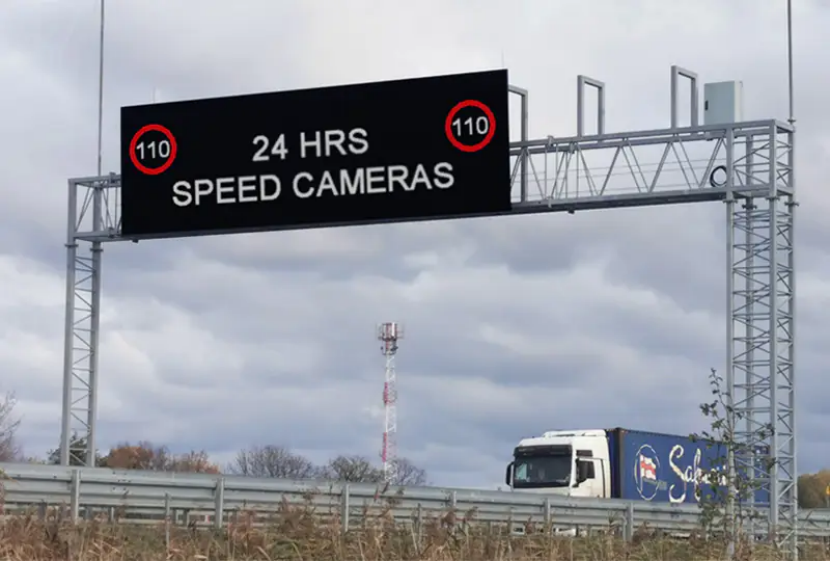
Outdoor displays operate in complex environments where heat, moisture, dust, and electrical fluctuations constantly affect performance. Compared with indoor systems, an outdoor LED display requires a more structured maintenance strategy to ensure stable operation and consistent image quality. Regular attention not only preserves brightness and clarity but also reduces long-term repair costs and downtime.
Preventive Maintenance for Outdoor LED Display Performance
A proactive approach is essential for maintaining outdoor LED display systems. Routine inspections should include checking for dead pixels, uneven brightness, and structural stability. Identifying small issues early helps prevent system-wide failures.
Temperature management is another critical factor. Excessive heat can accelerate component aging and lead to malfunction, so monitoring internal temperature and ensuring proper ventilation is necessary. Studies show that overheating and poor airflow can damage LED modules and circuit boards if not addressed promptly.
Power system stability also plays a key role. Outdoor displays should be equipped with proper grounding and surge protection to avoid damage from voltage fluctuations or lightning. A stable power supply significantly extends system lifespan and protects sensitive electronic components.
Cleaning and Environmental Protection Strategies
Outdoor LED display surfaces are exposed to dust, pollution, and weather conditions daily. Regular cleaning using soft cloths or specialized tools helps maintain brightness and prevents overheating caused by blocked ventilation. Avoid direct water exposure, as moisture can damage internal circuits.
Weatherproofing is equally important. Sealing gaps, inspecting rubber gaskets, and checking for water ingress after heavy rain can prevent corrosion and electrical faults. In addition, periodic checks for cable damage or loose connections ensure system reliability in harsh outdoor conditions.
Software and System Optimization
Modern outdoor displays rely on control systems and software for content management. Keeping software updated improves system security and ensures smooth operation. Regular diagnostics, including brightness calibration and color consistency checks, help maintain visual performance over time.
Professional Maintenance and Lifecycle Planning
Advanced maintenance goes beyond routine checks. Scheduled component replacement, such as power supplies and modules, helps avoid unexpected failures. Keeping maintenance records allows operators to track performance trends and plan upgrades efficiently.
With solutions from Chainzone, outdoor displays can integrate intelligent monitoring features that support predictive maintenance and remote management, improving operational efficiency.
Conclusion
Maintaining outdoor displays requires a combination of regular inspection, environmental protection, and system optimization. A well-planned maintenance strategy ensures that every outdoor LED display continues to deliver clear visuals and reliable performance over time. By focusing on preventive care and adopting advanced monitoring tools, businesses can maximize the value and lifespan of their display systems.