Extreme temperatures can change how an electric scooter charges, delivers power, and performs over time. For distributors, battery reliability is not merely a technical issue; it can influence warranty costs, customer satisfaction, seasonal sales, and the workload of service teams.
An electric scooter battery management system plays an important role in monitoring battery conditions, while clear warranty terms help retailers understand how faults will be assessed. LUYUAN, an electric mobility brand with experience in battery and motor technology, operates in a market where practical performance claims need to be supported by technical evidence and dependable after-sales arrangements.
Understand What the Battery Management System Actually Does
A battery management system, commonly called a BMS, monitors key battery conditions and helps manage safe operation. Depending on its design, it may track cell voltage, current, and temperature, estimate the battery’s state of charge, and respond when readings exceed specified limits. Protection functions can include overvoltage, undervoltage, overcurrent, and temperature safeguards. The precise functions vary by battery pack, so dealers should check the technical documentation rather than assume every scooter offers the same level of monitoring.
Temperature control deserves particular attention because lithium-ion batteries behave differently in cold and hot environments. Low temperatures can temporarily reduce available power and usable capacity, while charging a cold battery outside its permitted range can cause damage. Excessive heat can accelerate ageing and increase safety risks. A BMS may limit charging or discharging when necessary, but it cannot compensate for every environmental hazard or poor maintenance practice.
For commercial buyers, the key question is how the system behaves under realistic conditions. An electric scooter battery management system should be evaluated through documented protection thresholds, temperature operating limits, fault reporting, and the procedures used when an abnormal condition occurs. Dealers can ask whether diagnostic information is available to authorized technicians and how a suspected battery fault is distinguished from a charger, controller, or wiring problem. These details help service teams investigate complaints consistently instead of replacing components without a clear diagnosis.
Examine Cold-Weather and High-Temperature Claims
Seasonal performance claims should always be read alongside their test conditions. A stated range at a particular temperature may depend on battery capacity, vehicle configuration, rider weight, speed, route, and testing procedures. Without this context, a single figure cannot reliably predict the distance every customer will achieve. Retailers should request the test method and clarify whether the result represents a controlled test, a specific configuration, or typical everyday use.
Cold-weather battery heating and summer cooling serve different purposes. A heating function may help a battery reach a more suitable operating temperature, while a cooling system can remove excess heat during demanding use or hot weather. Neither feature makes a battery immune to extreme conditions. The effectiveness of temperature management depends on system design, sensor placement, control logic, heat transfer, and the operating limits specified by the manufacturer.
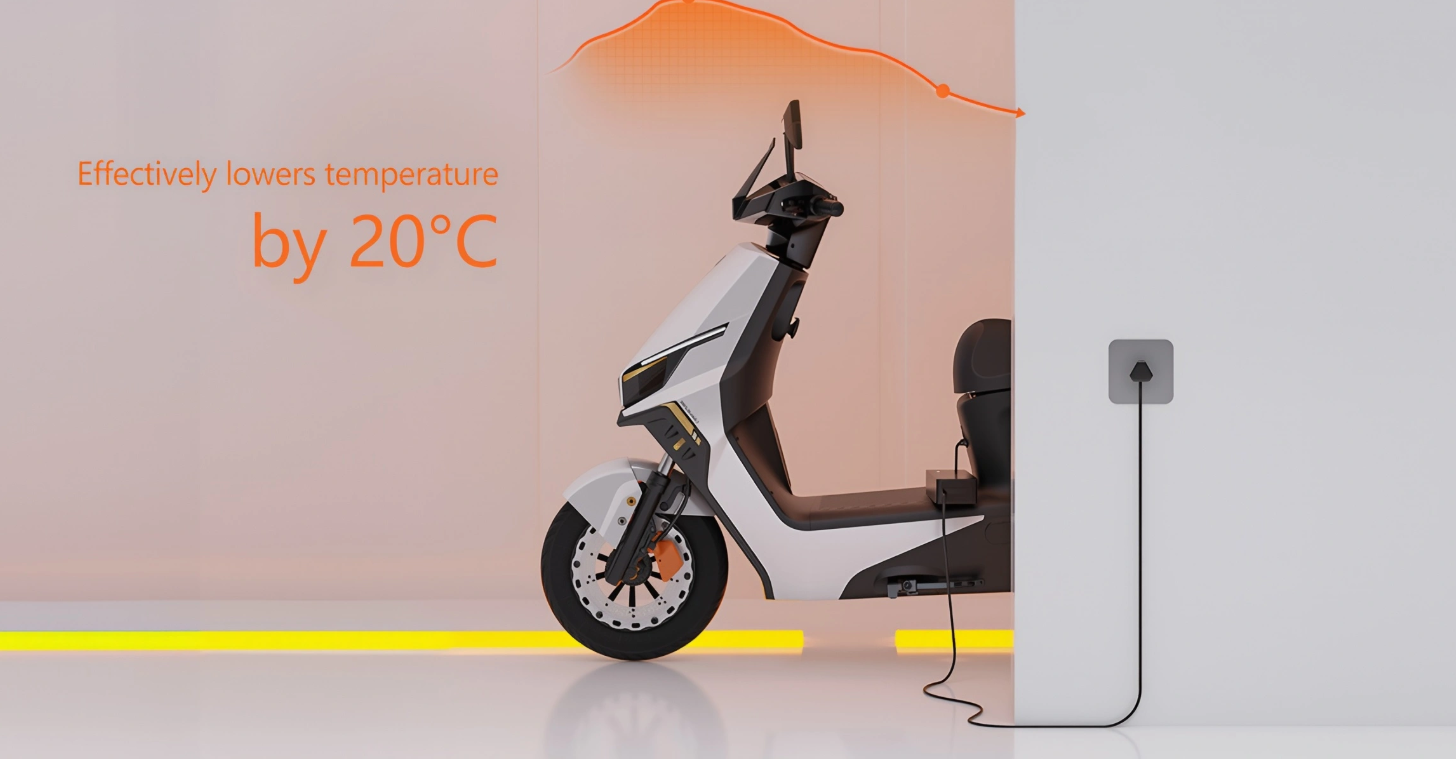
LUYUAN’s supplied product information describes intelligent battery temperature management, including winter heating with a reported range of 121.3 km at −20°C and summer active cooling that reportedly lowers battery temperature by 20°C. These figures should be presented with their applicable test conditions and battery configuration verified before being used in dealer materials. Such information can help buyers assess the brand’s approach to thermal management, but it should not be interpreted as a universal result for every vehicle or as proof that battery swelling is impossible.
Clarify Battery Warranty Coverage Before Ordering
A battery warranty should explain more than its duration. Dealers need to know when coverage begins, how battery capacity degradation is assessed, which failures qualify for repair or replacement, and what exclusions apply. Some warranties distinguish manufacturing defects from gradual capacity loss, accidental damage, water intrusion, improper charging, or unauthorized modifications. Clear definitions help retailers explain coverage accurately and avoid promising customers benefits that the supplier has not agreed to provide.
The claim procedure is equally important. A supplier should clarify which records are required, whether diagnostic reports or photographs must be submitted, how defective packs are handled, and who pays for inspection, shipping, labour, or replacement parts. Buyers should also ask how long an assessment normally takes and whether temporary alternatives are available when a customer’s vehicle cannot be used. These arrangements can significantly affect the dealer’s after-sales workload.
Businesses evaluating an electric motorcycle manufacturer should review battery warranty terms alongside the warranty for the vehicle’s other electrical components. A battery issue may initially appear to involve the BMS, charger, controller, or wiring, so clear diagnostic responsibilities matter. Dealers should request the current written policy and confirm whether its terms vary by destination market, battery type, or product configuration. Verbal assurances are not a substitute for documented coverage.
Conclusion
Battery reliability depends on several connected factors: cell characteristics, temperature management, charging practices, protection logic, and the quality of after-sales support. Dealers who investigate these areas before ordering are better prepared to evaluate performance claims and explain warranty boundaries. Reviewing the capabilities of an electric scooter battery management system alongside written coverage and diagnostic procedures provides a practical framework for supplier assessment.
For distributors considering LUYUAN or another electric motorcycle manufacturer, the strongest purchasing decision comes from verified technical evidence, clearly assigned service responsibilities, and a warranty process that works in real customer situations.