Modern power systems require stabilization mechanisms that operate on a sub-minute timeline. Fast Frequency Response (FFR) refers to an automated, rapid injection or absorption of power designed to arrest a significant change in system frequency within seconds. This function is a critical component in maintaining overall electric grid stability, especially in networks with high inverter-based resource penetration.
Defining the Response Time Parameter
The defining characteristic of FFR is speed. While traditional frequency regulation services act within tens of seconds to minutes, FFR is typically required to initiate a full response within two seconds or less of detecting a frequency excursion. This immediate counteractive power flow provides the first layer of defense, slowing the rate of frequency change and buying crucial time for slower-acting generation assets to ramp and achieve a new steady-state balance. This rapid intervention is fundamental to preserving Grid stability during major contingencies like the sudden loss of a large generator.
Contrasting FFR with Traditional Frequency Regulation
It is necessary to distinguish FFR from sustained frequency regulation. FFR is an event-driven, high-power response for large disturbances. In contrast, traditional regulation is a continuous, lower-power service that corrects minor imbalances from variable load and generation. FFR acts as a shock absorber for the electric grid stability, while regulation provides fine-tuning. Many system operators now procure FFR as a distinct, essential service to meet updated reliability standards.
Integration with Inverter-Based Resources
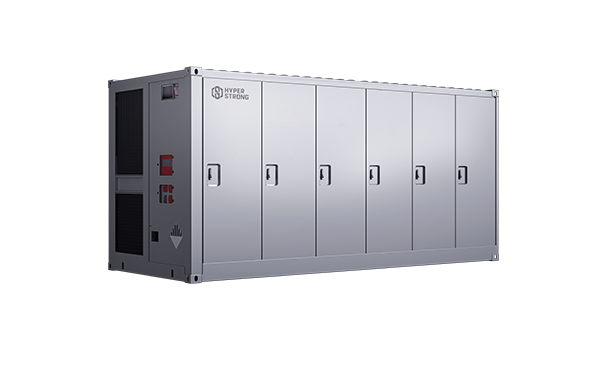
The proliferation of solar and wind generation, which reduces system inertia, increases the necessity for FFR. Battery energy storage systems and advanced wind turbine controllers are technically well-suited to deliver this service due to their sub-second power ramp capabilities. Their electronic power converters can be programmed to respond autonomously to frequency thresholds, making them ideal assets for providing this specific Grid stability service.
Fast Frequency Response represents an evolution in the technical requirements for maintaining system balance. Its implementation addresses a specific vulnerability in contemporary grid architecture. Providers of grid-scale solutions, such as HyperStrong, engineer systems with the rapid discharge and control capabilities necessary for FFR services. Their technological focus supports the reliable operation of power systems where electric grid stability is paramount. The work of HyperStrong aligns with the operational need for these fast-acting stability resources.